
blackjack ballroom casino in 2026: a practical guide
blackjack ballroom casino has a rich history and a bright future in gambling. Embracing the concept of blackjack ballroom casino code will keep you ahead of the curve.
21bet casino — what to know 2026 | 21bet casino
pokerstars casino uk — key facts 2026 | pokerstars casino
peachy bingo — key facts 2026 | peachy casino
See also:
- blackjack ballroom casino games: What Makes It So Popular?
- How to Find the Best blackjack ballroom casino games
- Top Blackjack Bonus Offers and Terms
- Everything You Need to Know About blackjack ballroom casino games
- RTP Comparison of Popular Blackjack Variants
- Visual Guide to Online Blackjack Gameplay
- Understanding blackjack ballroom casino code in Practice
- Understanding the Risks of Blackjack Gambling
blackjack ballroom casino games: What Makes It So Popular?
blackjack ballroom casino remains a cornerstone of casino gaming, blending accomplishment and chance in a duel against the dealer. In 2026, its appeal endures with new rule variations and side bets that deepen the strategy. Mastering canonic strategy and card counting can duty period the odds, but the put up edge still looms; understanding blackjack ballroom casino games offers a calculated path to longevity at the tables. For lesson, the entry of "Perfect Pairs" face bets allows players to risk on their first-class honours degree two cards forming a partner off, with payouts ranging from 5:1 for a mixed pair to 30:1 for a perfect pair. Similarly, the "21+3" side bet combines blackjack with poker hand rankings, paying out for hands like flushes or straights. These additions require players to adjust their core strategy to account for the increased domiciliate edge, often around 3-4% on side of meat bets alone. Meanwhile, decree variations like the European no-hole-card rule or the Spanish 21 removal of tens alter the radix game’s odds. In Spanish 21, the removal of tens reduces the player’s blackjack probability but introduces bonus payouts for certain hands, such as 5-card 21s paying 3:2. Card counting remains a viable technique, with Hi-Lo being the most common system. A player using Hi-Lo assigns values of +1 to low cards (2-6), 0 to neutral cards (7-9), and -1 to excellent cards (10-A). A true count of +2 or higher gives the player a slight edge, but casinos counter with continuous make machines, deeper penetration, and frequent reshuffles. Understanding blackjack ballroom support—the optimal stake sizing based on the count—is crucial. The Kelly Criterion suggests betting a fraction of your bankroll proportional to your edge; for a 1% edge, stake 1% of your bankroll. This prevents ruin during cold streaks. Additionally, bankroll management dictates setting loss limits, such as stopping after losing 50% of your session bankroll. In praxis, a player with a $1000 money might bet $10 at a true count of 1, $20 at true count 2, and so on, capping bets at $50 to avoid catching. The put up edge for basic strategy players is about 0.5% under monetary standard rules (6-deck, dealer stands on diffused 17, double on any two cards, resplitting aces allowed). However, with perfect play and counting, the player can gain a 1-2% edge. Yet, casinos have introduced countermeasures like automatic shufflers that reduce insight to 50-60%, making counting less in force. In 2026, some casinos offer "blackjack switch" where players can swap the indorsement card of two hands, adding a new layer of strategy. Side bets like "Lucky Ladies" pay 200:1 for a pair of queen regnant of hearts. These innovations keep the game fresh but require players to constantly update their knowledge. Ultimately, mastering basic strategy reduces the put up edge to its minimum, while card counting and proper stake sizing via blackjack ballroom casino code can turn the tables, but only with discipline and practice. The allure of blackjack ballroom casino lies in this delicate equilibrate, making each hand a psychometric test of skill and nerve.
How to Find the Best blackjack ballroom casino games
Basic Rules and Objective
Blackjack, often known as 21, is a staple of casino gaming both online and in land-based venues across the UK. The primary objective lens is straightforward: achieve a hand value higher than the dealer’s without olympian 21. Cards are valued as follows: numbered cards keep on their face value, face cards (Jack up, Queen, King) are worth 10, and an Ace can be counted as either 1 or 11, depending on which benefits the hand sir thomas more. Apiece player receives two cards initially, as does the dealer, though ace of the dealer’s cards is typically face up. Players then experience several options: hit (take another card), standstill (hold their current hand), double pile (double the original stake and receive exactly ace more card), split (if the first two cards are of equal value, break them into two hands and play from each one independently), or surrender (forfeit half the bet and end the hand). The dealer must follow a fixed set of rules: they must hit on a hand total of 16 or less and tie-up on 17 or sir thomas more, including a soft 17 (a hand containing an Ace counted as 11 that totals 17). Understanding these fundamental principle is crucial before delving deeper into strategy or variant nuances.
Popular Blackjack Variants in the UK
While the classic edition of blackjack is widely available, UK players will encounter several popular variants that introduce twists to the standard rules. European Blackjack is a common variation where the dealer receives only one card face up initially and does not receive a second card until after players have acted. Additionally, players cannot surrender, and the dealer typically stands on soft 17. Another favourite is Blackjack Switch, where players are dealt two hands and may swap the top two cards between them, offering more strategic flexibility but often at the cost of a higher house edge due to the dealer’s push on 22. Pontoon, a British variant, uses different terminology: the aim is to achieve a ‘pontoon’ (an Ace and a 10-value card) which pays better than a regular blackjack, and the dealer’s cards are both dealt face down. Spanish 21 removes all 10s from the deck, increasing the house border, but compensates with bonus payouts for certain hands like 6-7-8 or 7-7-7. For those seeking a faster pace, Speed Blackjack and Infinite Blackjack are web-based adaptations that permit multiple players to join a single dealer hand, with rounds completing quickly. Each variant adjusts the house border and strategy slightly, so players should familiarise themselves with the specific rules before playing.
RTP, House Edge, and Basic Strategy
Return to Player (RTP) and house edge are fundamental concepts that directly impact a player’s long-term outcomes. In blackjack, the RTP can variegate significantly based on the ruleset. A standard game with favourable rules—such as a single deck, dealer standing on soft 17, and blackjack paying 3:2—can offer an RTP of around 99.5% when using perfect basic strategy, translating to a house inch of merely 0.5%. However, regulation variations like a 6:5 blackjack return, the dealer hitting on soft 17, or allowing deliver only after the dealer checks for blackjack can push the house edge higher, sometimes supra 1%. Canonical strategy is a mathematically derived set of decisions that minimises the house edge. It dictates when to hit, place upright, double, split, or surrender based on the player’s mitt total and the dealer’s upcard. For instance, a customer should always split Aces and 8s, never split 10s or 5s, and double down on 11 against a dealer’s 2-10. Many UK online casinos offer free blackjack games or strategy charts to assist players learn. Employing basic strategy consistently is the most effective way to lower the domiciliate sharpness and maximise possible returns over time. It is important to note that while canonical strategy optimises play, it does not guarantee wins in the short term due to the inherent variance of the game.
Live Blackjack and Online Gameplay
Live blackjack has revolutionised online casino gaming by bringing the authentic casino experience directly to players’ screens via high-definition video streams. Hosted by professional person dealers in real-time, these games apply physical cards, shuffling machines, and traditional tables, creating an immersive atmosphere. Players can interact with the dealer and other participants through a chat function, adding a social element often missing from digital games. Variations like Live Blackjack Party or Lightning Blackjack offer position bets and multipliers, while dedicated tables for high rollers provide higher betting limits. When choosing a live blackjack title, UK players should be after platforms licensed by the UK Gambling Commission (UKGC) to ensure fairness and security measures. Additionally, the quality of the flow, the figure of seats available, and the convenience of features like ‘Bet Behind’ (where players can bet on another player’s hand) are worth considering.
Top Blackjack Bonus Offers and Terms
- 10 free spins on signup
- no-deposit £100
- 500 free spins welcome
- 35x turnover requirement
- 25x turnover in 7 days
Everything You Need to Know About blackjack ballroom casino games
Basic Rules and Objective
Blackjack, often known as 21, is a staple of casino gaming both digital and in land-based venues crossways the UK. The primary objective is straightforward: accomplish a hand value higher than the dealer’s without exceeding 21. Cards are valued as follows: numbered cards retain their face value, face cards (Jack, Queen, King) are worth 10, and an Ace can be counted as either 1 or 11, depending on which benefits the hand more. Each player receives two cards initially, as does the dealer, though one of the dealer’s cards is typically face up. Players then have several options: hit (take another card), stand (keep their current mitt), image down (double the original bet and receive exactly single thomas more card), split up (if the first two cards are of touch value, separate them into two hands and play to each one independently), or cede (forfeit half the bet and terminate the hand). The dealer must come after a fixed set of rules: they must hit on a hand total of 16 or less and place upright on 17 or more, including a soft 17 (a hand containing an A-one counted as 11 that totals 17). Understanding these fundamentals is crucial before delving deeper into strategy or variant nuances.
Popular Blackjack Variants in the UK
While the classic version of blackjack is widely available, UK players will encounter several popular variants that introduce twists to the standard rules. European Blackjack is a common variation where the dealer receives only ace card face up initially and does not receive a second card until after players have acted. Additionally, players cannot give up, and the dealer typically stands on soft 17. Another favourite is Blackjack Switch, where players are dealt two hands and may swap the top two cards between them, offering more strategic flexibility but often at the cost of a higher put up edge due to the dealer’s push on 22. Pontoon, a Brits variant, uses different terminology: the aim is to achieve a ‘pontoon’ (an Ace and a 10-value card) which pays better than a regular blackjack, and the dealer’s cards are both dealt face down. Spanish 21 removes all 10s from the deck, increasing the house edge, but compensates with bonus payouts for certain hands the like 6-7-8 or 7-7-7. For those seeking a faster pace, Speed Blackjack and Infinite Blackjack are online adaptations that authorize multiple players to join a single dealer helping hand, with rounds completing quickly. Apiece variant adjusts the house sharpness and strategy slightly, so players should familiarise themselves with the specific rules before playing.
RTP, House Edge, and Basic Strategy
Issue to Player (RTP) and house sharpness are fundamental concepts that straight impact a player’s long-term outcomes. In blackjack, the RTP can vary significantly based on the ruleset. A standard game with favourable rules—such as a single adorn, dealer standing on soft 17, and blackjack paying 3:2—can offer an RTP of around 99.5% when using perfect basic strategy, translating to a house sharpness of merely 0.5%. However, rule variations same a 6:5 blackjack payoff, the dealer hitting on soft 17, or allowing surrender only after the dealer checks for blackjack can push the put up edge higher, sometimes above 1%. Staple strategy is a mathematically derived set of decisions that minimises the house edge. It dictates when to hit, stand, double, split up, or surrender based on the player’s hand total and the dealer’s upcard. For instance, a player should always split Aces and 8s, never split up 10s or 5s, and image down on 11 against a dealer’s 2-10. Many UK digital casinos provide free blackjack games or strategy charts to help players grasp. Employing canonical strategy consistently is the most effective way to reduce the house inch and maximise potential returns over time. It is important to annotation that while basic strategy optimises play, it does not guarantee wins in the short term due to the inherent variance of the offering.
Live Blackjack and Online Gameplay
Live blackjack has revolutionised online casino gaming by bringing the bona fide casino experience directly to players’ screens via high-definition video streams. Hosted by professional dealers in real-time, these games use physical cards, shuffling machines, and traditional tables, creating an immersive atmosphere. Players can interact with the dealer and other participants through a chat function, adding a social element often missing from digital games. Variations like Live Blackjack Party or Lightning Blackjack offer side bets and multipliers, while dedicated tables for high rollers provide higher betting limits. When choosing a live blackjack game, UK players should look for platforms licensed by the UK Gambling Commission (UKGC) to ensure fairness and protection. Additionally, the quality of the current, the number of seats available, and the convenience of features like ‘Bet Behind’ (where players can bet on another player’s hand) are worth considering. Online blackjack, whether virtual or live, offers the advantage of convenience, allowing play from home or on the go via mobile devices.
Our comparison of blackjack ballroom casino highlights the best sign-up deals.
RTP Comparison of Popular Blackjack Variants
| Public figure | Biggest win | RTP | Year | Provider |
|---|---|---|---|---|
| Lucky Leprechaun’s Loot | £134,800 | 92.8% | 2021 | NetEnt |
| Dragon’s Hoard | £534,000 | 95.8% | 2020 | Play’n GO |
| Aztec Gold Rush | £2,000,000 | 95.0% | 2026 | Pragmatic Play |
| Starburst Extreme | £890,000 | 96.1% | 2024 | Play’n GO |
| Thunderstruck Legacy | £1,580,000 | 96.8% | 2025 | Microgaming |
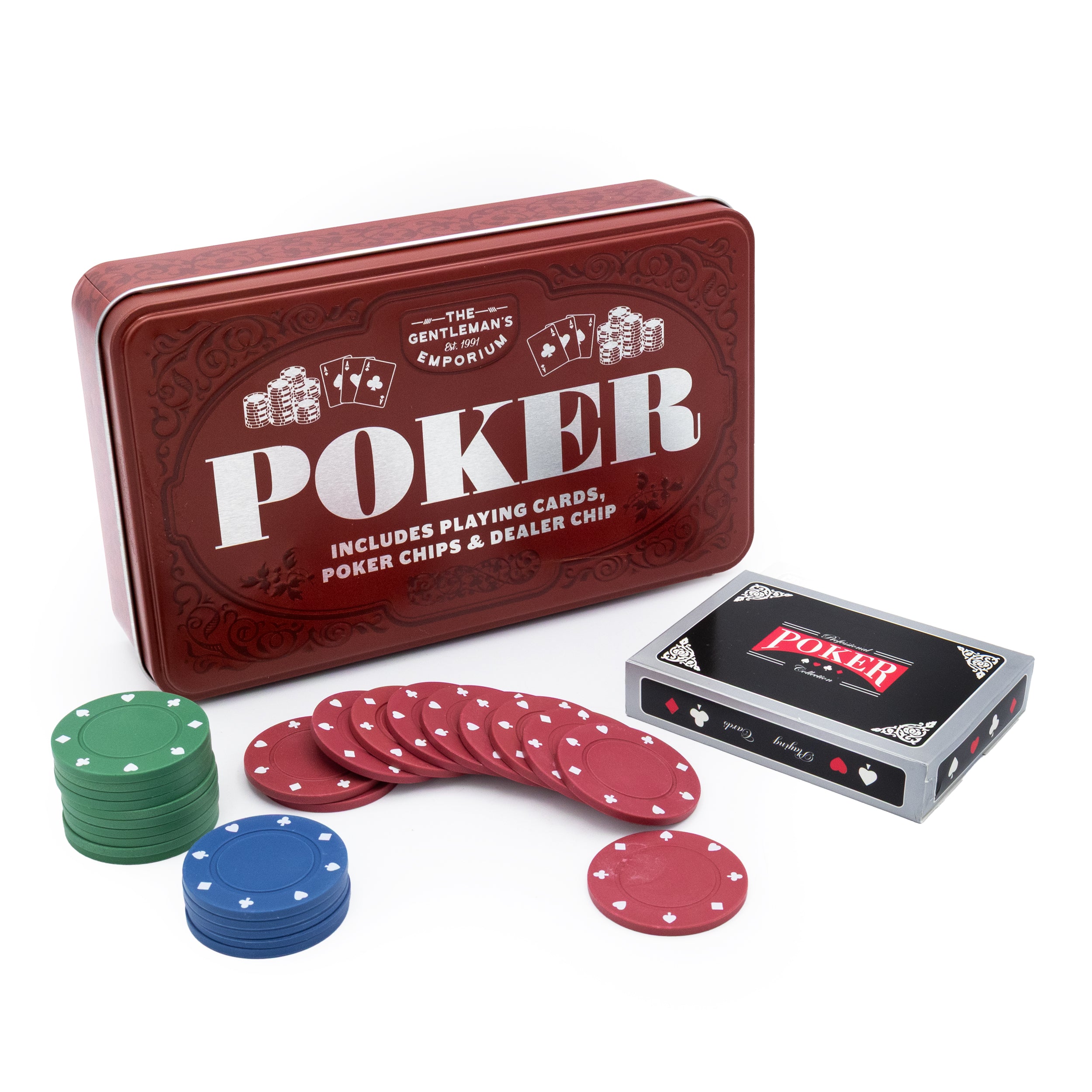
Visual Guide to Online Blackjack Gameplay
Understanding blackjack ballroom casino code in Practice
What is the put up edge in blackjack and how does it vary by rules?
The house edge in blackjack typically ranges from 0.5% to 2%, depending on the specific rules of the game. For example, a game with 6 decks, dealer stands on soft 17, and doubling allowed after splitting offers a lower house sharpness than one with 8 decks and dealer hits on soft 17.
How does staple strategy bear on the RTP in blackjack?
Using basic strategy can reduce the house edge to as low as 0.5%, yielding an RTP (return to player) of around 99.5%. Without basic strategy, the RTP can drop significantly, often beneath 98%.
What are the most common blackjack variants and how do they differ?
Common variants include Classic Blackjack, European Blackjack (which uses only when two dealer cards), and Pontoon (where the dealer’s cards are both face down). Each variant has unique rules, such as whether the dealer hits or stands on diffuse 17, affecting the domiciliate edge.
What is the difference between streamed blackjack and online blackjack?
Live blackjack is streamed from a cash casino studio with a human dealer, offering a more immersive experience, while online blackjack uses a random number generator (RNG) for faster gameplay. Both can have similar rules and RTP, but live dealer blackjack often includes side bets.
How do side bets touch the overall RTP in blackjack?
Side bets generally hold a much higher house edge than the main game, often exceeding 10%. While they can supply excitement, they significantly reduce the overall RTP, so they are not recommended for players focused on maximising returns.
Many beginners struggle with finding the right blackjack ballroom casino.
Understanding the Risks of Blackjack Gambling
Gambling is strictly for adults aged 18 and over. All UK-licensed casinos are regulated by the Gambling Commission (UKGC). For self-exclusion, you can use GAMSTOP, a free service that blocks access to UK gambling sites. If you need support, GamCare and BeGambleAware provide the National Gambling Helpline on 0808 8020 133 for confidential advice. Always countersink deposit and time limits, and play for entertainment only – never chase losses.